
AI Engineering of Nanonetworks
#41045, Summer 2025
Contents
This course will cover communication techniques and technologies for designing nanoscale networks, and not only that, but we will also include AI-based solutions. At the nanoscale, instead of connecting nodes via electromagnetic waves, we will study means to use molecules as a communication medium. In the physical layer, we will introduce models for the communication channels through molecular means, as well as for emitter and receiver schemes. In the link layer, we will address mechanisms for information flow and error control. The course will conduct various hands-on activities in the Matlab simulator to model the physical and link layers. Furthermore, we will research new AI-models to deal with pragmatic systems, where we want to optimize communication performance but we unknown the system parameters.
Learning Outcome
After completing the course, participants will be able to characterize the molecular communication scenarios. You will be able to apply theoretical knowledge to develop molecular communication networks with the support of AI-based solutions.
- Describe the constituting elements of nanonetworks in molecular communication (MC) channels.
- Apply theoretical knowledge to develop nanonetworks functionalities in the physical and link layers using molecules as information carriers.
- Examine deep neural network (NN) architectures as innovative solutions for nanonetworks in the MC domain.
- Develop deep NN modules to optimize communication links within MC simulators.
General Information / Methods
This master course will be held in English and all the course material is available in English.
This course consists of lectures and labs. In the lessons we will cover theoretical topics in the physical and link layers like diffusion, modulation schemes, synchronization, and media access control mechanisms. This course will develop communication techniques and innovative AI-based technologies for designing networks on the nanoscale. The course will introduce deep neural network (NN) architectures to cope with the challenging environments of molecular (MC) channels.
As theoretical components, the course will introduce the topics:
- Relevant aspects in the physical and link layers of MC-based nanonetworks, such as channel models, emitters and receivers architectures, synchronization, error correction codes, as well as flow and channel access control mechanisms.
- Foundational aspects of deep neural networks (NNs) and main architectures for nanonetworks, including feedforward NNs, recurrent neural networks (RNNs), bidirectional RNNs, autoencoders, and reinforcement learning.
As practical components of this course:
- Simulators for nanonetworks operation in molecular communication (MC) channels.
- Integration of NN modules into nanonetworks operation within the physical and link layers.
For more information, slides, and required submissions, please see our ISIS page.
Instructors
- Lecture: Saswati Pal
- Labs: Saswati Pal and Lisa Yvonne Debus
Schedule
-
Lecture
Wednesday and Thursday, 12:00-14:00h (c.t.), HFT-TA 225 -
Labs
Wednesday and Thursday, 14:00-16:00h (c.t.), HFT-TA 225
Exams
Oral examination (by appointment)
Successful completion of labs and homework required.
Literature
 Tadashi Nakano, Andrew W. Eckford and Tokuko Haraguchi, Molecular Communication, Cambridge University Press, 2013.
[DOI, BibTeX, More details]
Tadashi Nakano, Andrew W. Eckford and Tokuko Haraguchi, Molecular Communication, Cambridge University Press, 2013.
[DOI, BibTeX, More details]- Howard C. Berg, Random Walks in Biology, Princeton University Press, 1993. [BibTeX, More details]
 Vahid Jamali, Arman Ahmadzadeh, Wayan Wicke, Adam Noel and Robert Schober, "Channel Modeling for Diffusive Molecular Communication - A Tutorial Review," Proceedings of the IEEE, vol. 107 (7), pp. 1256–1301, July 2019.
[DOI, BibTeX, More details]
Vahid Jamali, Arman Ahmadzadeh, Wayan Wicke, Adam Noel and Robert Schober, "Channel Modeling for Diffusive Molecular Communication - A Tutorial Review," Proceedings of the IEEE, vol. 107 (7), pp. 1256–1301, July 2019.
[DOI, BibTeX, More details]- Mehmet Sukru Kuran, H. Birkan Yilmaz, Ilker Demirkol, Nariman Farsad and Andrea Goldsmith, "A Survey on Modulation Techniques in Molecular Communication via Diffusion," IEEE Communications Surveys & Tutorials, vol. 23 (1), pp. 7–28, January 2021.
[DOI, BibTeX, More details]
- Jean Philibert, "One and a Half Century of Diffusion: Fick, Einstein, Before and Beyond," Diffusion Fundamentals, vol. 4, pp. 1–19, November 2006. [DOI, BibTeX, More details]
- Luca Felicetti, Mauro Femminella, Gianluca Reali, Tadashi Nakano and Athanasios V Vasilakos, "TCP-Like Molecular Communications," IEEE Journal on Selected Areas in Communications, vol. 32 (12), pp. 2354–2367, December 2014.
[DOI, BibTeX, More details]
 Baris Atakan and Ozgur B. Akan, "On Channel Capacity and Error Compensation in Molecular Communication," in Springer Transactions on Computational Systems Biology X, Biological and Biologically-inspired Communication, vol. LNBI 5410, Corrado Priami, Falko Dressler, Ozgur B. Akan and Alioune Ngom (Eds.), Springer, 2008, pp. 59–80.
[DOI, BibTeX, More details]
Baris Atakan and Ozgur B. Akan, "On Channel Capacity and Error Compensation in Molecular Communication," in Springer Transactions on Computational Systems Biology X, Biological and Biologically-inspired Communication, vol. LNBI 5410, Corrado Priami, Falko Dressler, Ozgur B. Akan and Alioune Ngom (Eds.), Springer, 2008, pp. 59–80.
[DOI, BibTeX, More details]- Tadashi Nakano, "Molecular Communication: A 10 Year Retrospective," IEEE Transactions on Molecular, Biological and Multi-Scale Communications, vol. 3 (2), pp. 71–78, June 2017.
[DOI, BibTeX, More details]
- Tadashi Nakano, Tatsuya Suda, Y. Okaie, M. J. Moore and A. V. Vasilakos, "Molecular Communication Among Biological Nanomachines: A Layered Architecture and Research Issues," IEEE Transactions on NanoBioscience, vol. 13 (3), pp. 169–197, September 2014.
[DOI, BibTeX, More details]
- Steven Kay, Fundamentals of Statistical Signal Processing: Estimation Theory, Prentice Hall, 1998. [BibTeX, More details]
Featured Paper
- One-Shot Federated Model Editing for Device Dynamics at the Edge
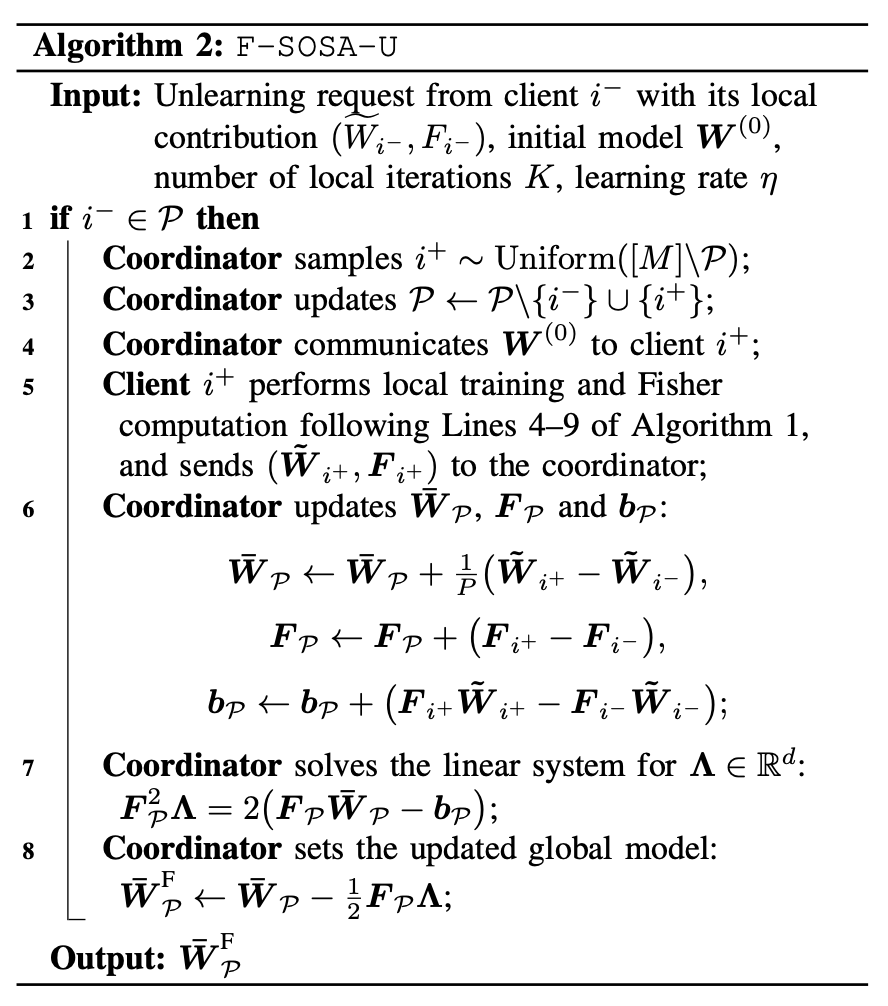
Standard federated learning (FL) requires persistent device connectivity across multiple communication rounds, making it unsuitable for dynamic environments such as ve...
News
- October 08, 2026
New IEEE Transactions on Mobile Computing article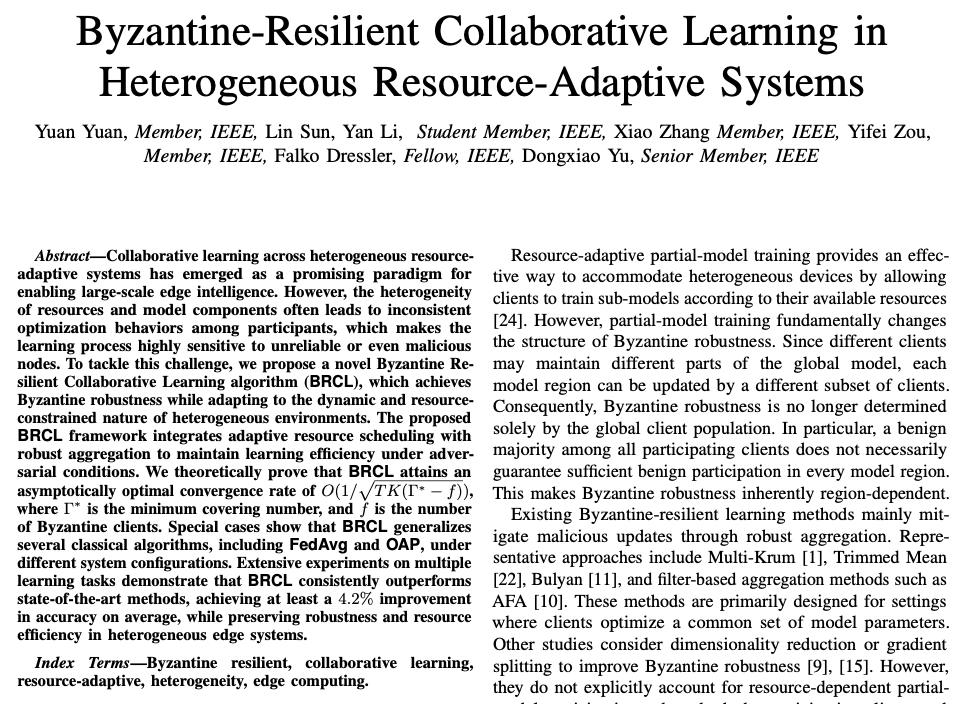
Our article Byzantine-Resilient Collaborative Learning in... - October 02, 2026
KuVS Research School on Network and System Resilience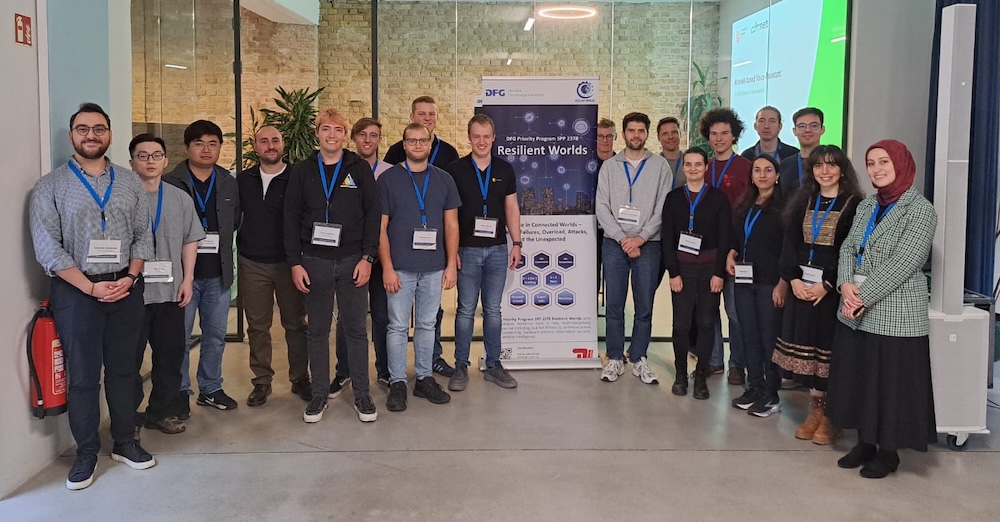
Our group member Dr. Doganalp Ergenc organized the KuVS R... - September 26, 2026
New IEEE Transactions on Mobile Computing article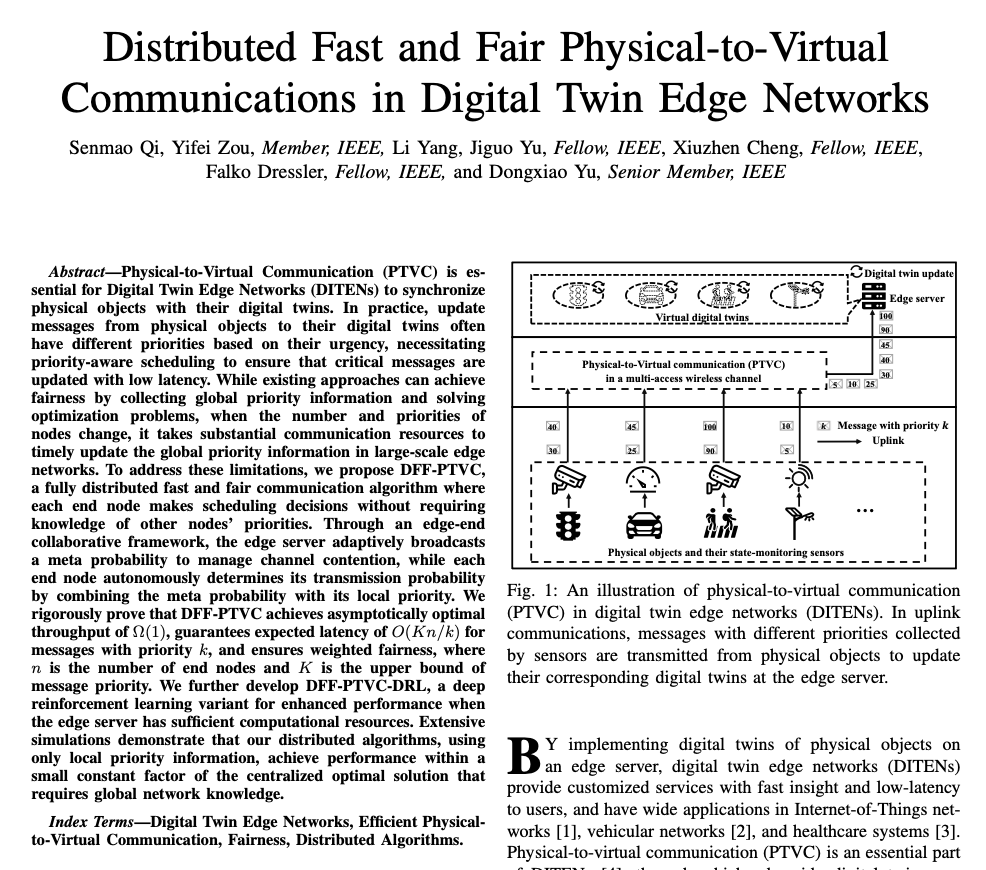
Our article Distributed Fast and Fair Physical-to-Virtual... - September 23, 2026
TKN Team at ACM NanoCom 2026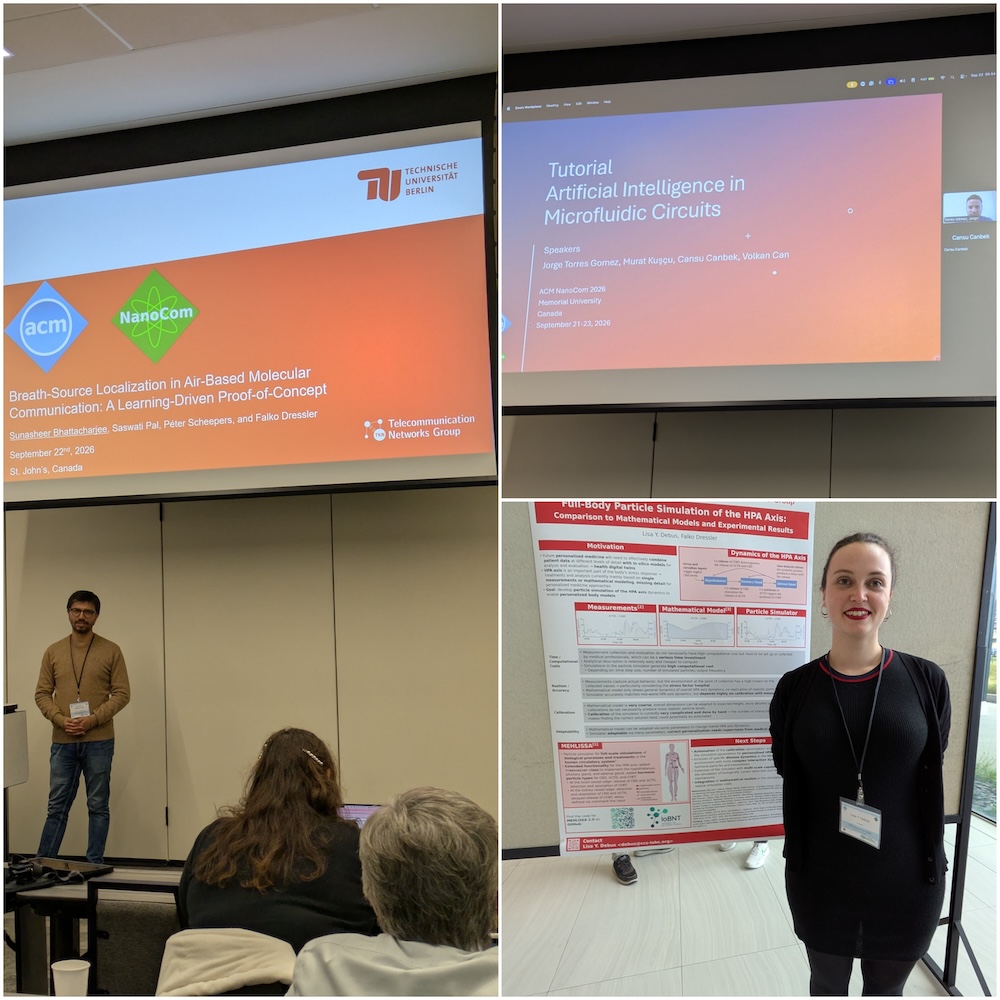
Our team presented their research at the 13th ACM Interna... - September 22, 2026
New IEEE Transactions on Networking article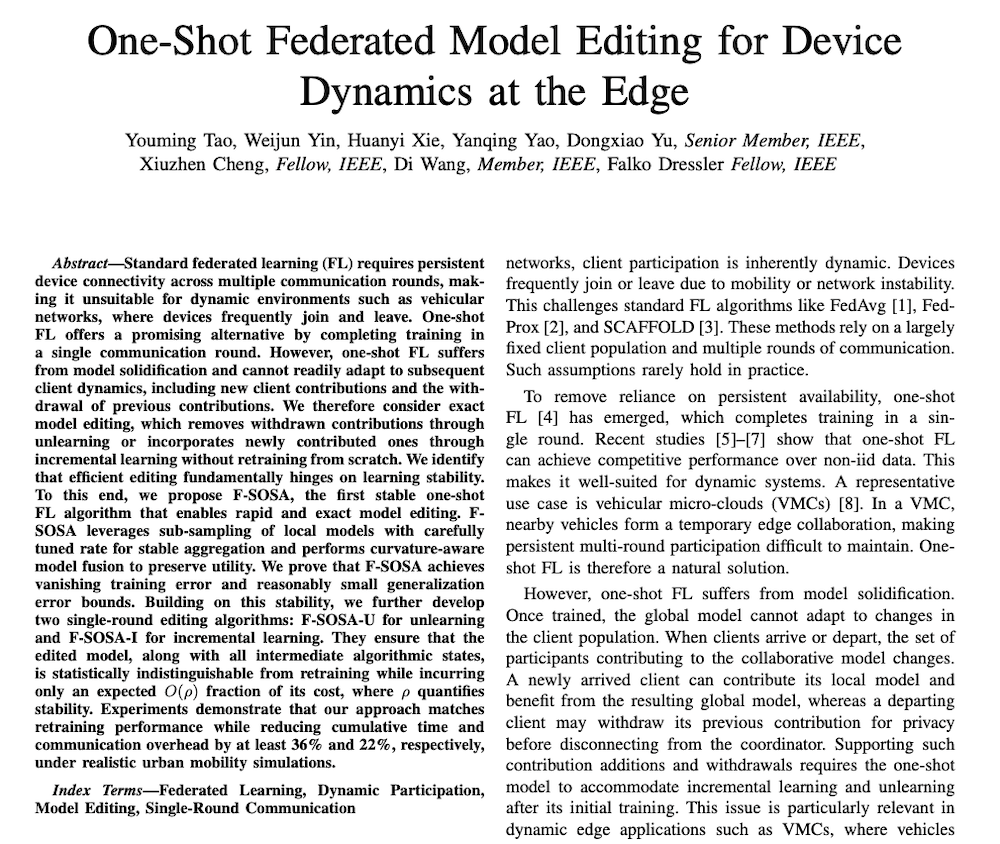
Our article One-Shot Federated Model Editing for Device D...