
Literature Database Entry
tonini2026delay-doppler-poster
Elena Tonini, Joana Angjo, Falko Dressler, Renato Lo Cigno and Emanuele Viterbo, "Delay-Doppler Domain Feature Extraction for Explainable Activity Recognition via SVM: Extending to IEEE 802.11be and mmWave Experimental Testbeds," Proceedings of Mediterranean Artificial Intelligence and Networking (MAIN 2026), Poster Session, Palermo, Italy, July 2026.
Abstract
Recent joint communication and sensing (JCAS) research shows that channel state information (CSI) extracted from commercial off-the-shelf Wi-Fi devices can support accurate human activity recognition. In [1], we propose an explainable sensing methodology based on the extraction of physically grounded features from the delay-Doppler (DD) representation of CSI sequences. Coupled with a linear support vector machine (SVM)-based classifier, the feature extraction process enables low-complexity activity recognition with comparable performance to that of a black-box approach leveraging neural networks (NNs). The sensing tool was validated on two independent IEEE 802.11ax datasets collected with commercial Asus RT-AX86U and RT-AX82U access points (APs) operating at 5.775 GHz. This poster presents an experimental extension of [1] to evaluate the robustness and portability of the proposed methodology across different hardware, frequencies, and environmental setups. First, we replicate the experimental configuration of the ANS dataset of [1] in a different indoor environment, using Ettus X410 universal software radio peripherals (USRPs) instead of Asus APs. The software-defined radios (SDRs) operate with a 500 MHz master clock rate. The transmitted waveform is IEEE 802.11ax-compliant, with 5 ms inter-frame spacing over an 80 MHz-wide channel centered at 5.775 GHz. This setup allows direct comparison with the original dataset, while providing environment and hardware varibiality. Second, we extend the analysis to IEEE 802.11be-compliant waveforms transmitted on a 320 MHz-wide channel with central frequency of 6.105 GHz, keeping the 5 ms inter-frame. Transitioning from Wi-Fi 6 to Wi-Fi 7 enables us to evaluate whether the features extracted from the DD domain representation of the CSI samples maintain their discriminative characteristics across different Wi-Fi generations and frequency allocations. Finally, we explore the method’s applicability to an entirely different scenario, in the 28 GHz band. The experimental testbed consists of the aforementioned Ettus X410 USRPs, synchronized through an OctoClock CDA-2990 clock distribution system. The mmWave frontends are two TMYTEK BBox Lite 5G modules, while a UD Box 5G performs the IF/RF frequency conversion. The setup includes three XRifle passive non-reconfigurable reflecting surfaces (NRRSs) (TMYTEK), featuring 51×51 element arrays, operating at 28 GHz with a radar cross-section gain of approximately 70 dB. Again, the transmitted waveform is IEEE 802.11be-compliant and the channel is 320 MHz wide. A thorough description of the dataset is presented in [2]. Across all experimental configurations, we maintain the same processing pipeline: the Symplectic Fourier transform (SFT) transposes blocks of NC consecutive CSI samples to the DD domain, creating the elementary sensing units we call cast; from each cast, the same set of statistical and energy-based features proposed in [1] is extracted and processed by the same linear SVM classifier. The results show that the proposed methodology maintains consistently high activity recognition accuracy despite significant variability in the experimental setup, reaching performances up to 100% of classification accuracy. The selected features remain discriminative across sub-6 GHz and mmWave frequencies, confirming that the extracted information is linked to propagation physics rather than to hardware or dataset-dependent properties. The results strengthen the claim that explainable DD-based sensing techniques can keep up with the same performances across heterogeneous wireless systems, supporting the development of explainable JCAS applications for deployment scenarios extending beyond Wi-Fi.
Quick access
Authors' Version  (PDF on this web site)
BibTeX 
Contact
Elena Tonini
Joana Angjo
Falko Dressler
Renato Lo Cigno
Emanuele Viterbo
BibTeX reference
@inproceedings{tonini2026delay-doppler-poster,

     author = {Tonini, Elena and Angjo, Joana and Dressler, Falko and Lo Cigno, Renato and Viterbo, Emanuele},

     title = {{Delay-Doppler Domain Feature Extraction for Explainable Activity Recognition via SVM: Extending to IEEE 802.11be and mmWave Experimental Testbeds}},

     publisher = {IEEE},

     address = {Palermo, Italy},

     booktitle = {Mediterranean Artificial Intelligence and Networking (MAIN 2026), Poster Session},

     month = {7},

     year = {2026},

   }
Copyright notice
Links to final or draft versions of papers are presented here to ensure timely dissemination of scholarly and technical work. Copyright and all rights therein are retained by authors or by other copyright holders. All persons copying this information are expected to adhere to the terms and constraints invoked by each author's copyright. In most cases, these works may not be reposted or distributed for commercial purposes without the explicit permission of the copyright holder.
The following applies to all papers listed above that have IEEE copyrights: Personal use of this material is permitted. However, permission to reprint/republish this material for advertising or promotional purposes or for creating new collective works for resale or redistribution to servers or lists, or to reuse any copyrighted component of this work in other works must be obtained from the IEEE.
The following applies to all papers listed above that are in submission to IEEE conference/workshop proceedings or journals: This work has been submitted to the IEEE for possible publication. Copyright may be transferred without notice, after which this version may no longer be accessible.
The following applies to all papers listed above that have ACM copyrights: ACM COPYRIGHT NOTICE. Permission to make digital or hard copies of part or all of this work for personal or classroom use is granted without fee provided that copies are not made or distributed for profit or commercial advantage and that copies bear this notice and the full citation on the first page. Copyrights for components of this work owned by others than ACM must be honored. Abstracting with credit is permitted. To copy otherwise, to republish, to post on servers, or to redistribute to lists, requires prior specific permission and/or a fee. Request permissions from Publications Dept., ACM, Inc., fax +1 (212) 869-0481, or permissions@acm.org.
The following applies to all SpringerLink papers listed above that have Springer Science+Business Media copyrights: The original publication is available at www.springerlink.com.
This page was automatically generated using BibDB and bib2web.
Featured Paper
- One-Shot Federated Model Editing for Device Dynamics at the Edge
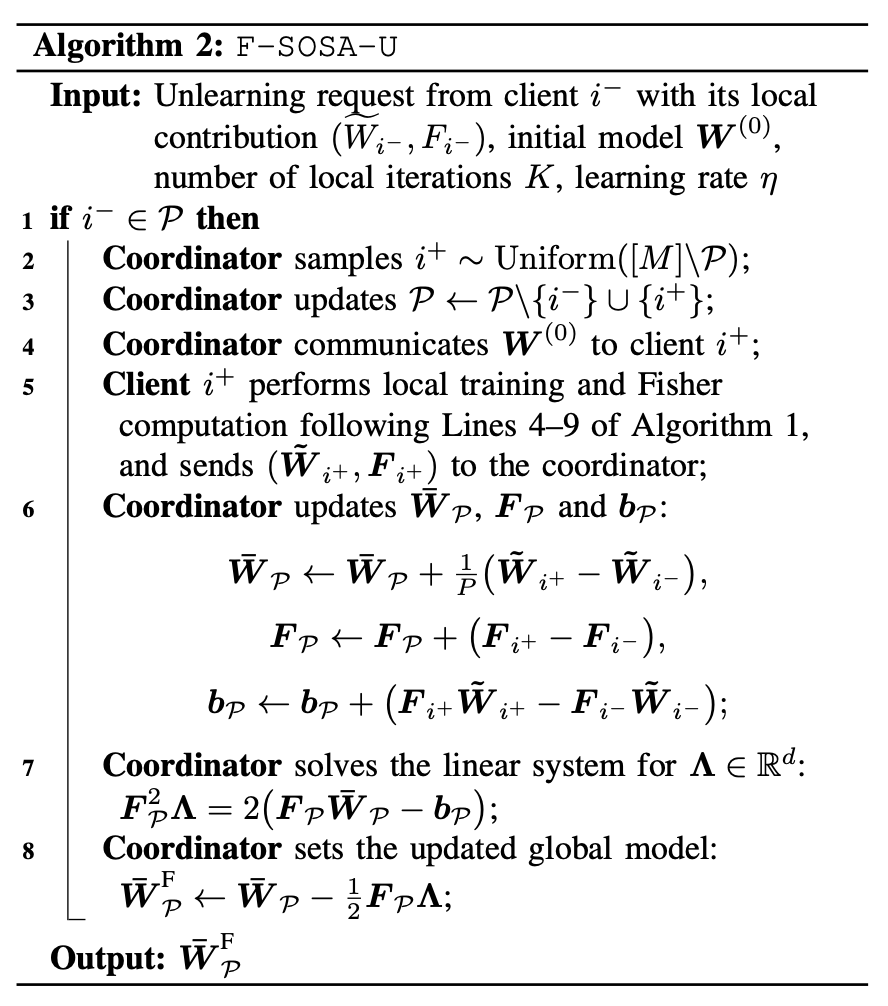
Standard federated learning (FL) requires persistent device connectivity across multiple communication rounds, making it unsuitable for dynamic environments such as ve...
News
- October 08, 2026
New IEEE Transactions on Mobile Computing article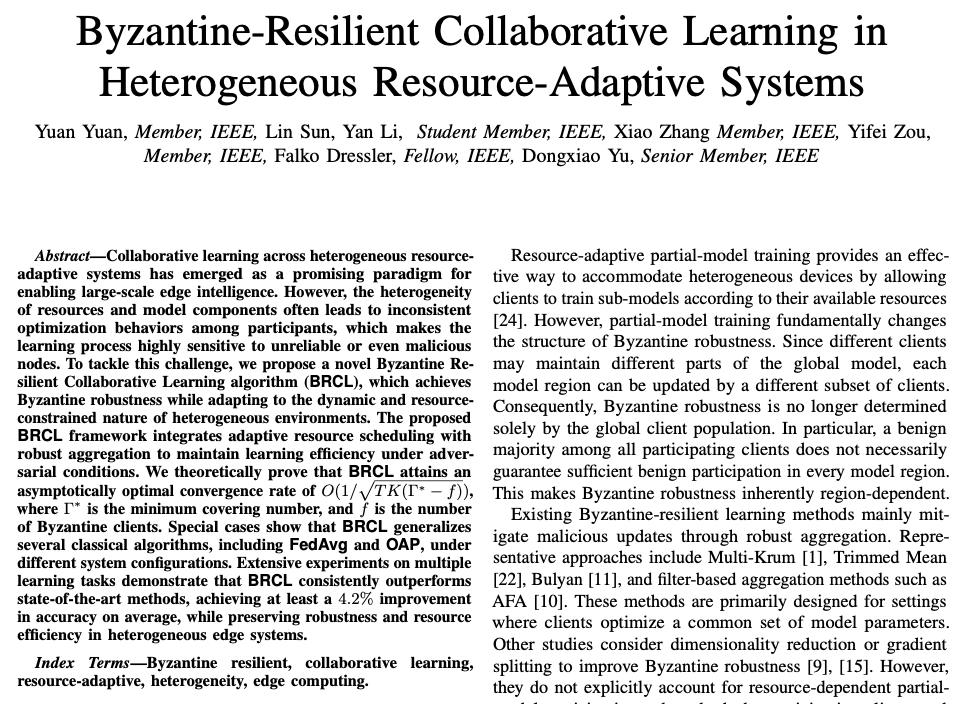
Our article Byzantine-Resilient Collaborative Learning in... - October 02, 2026
KuVS Research School on Network and System Resilience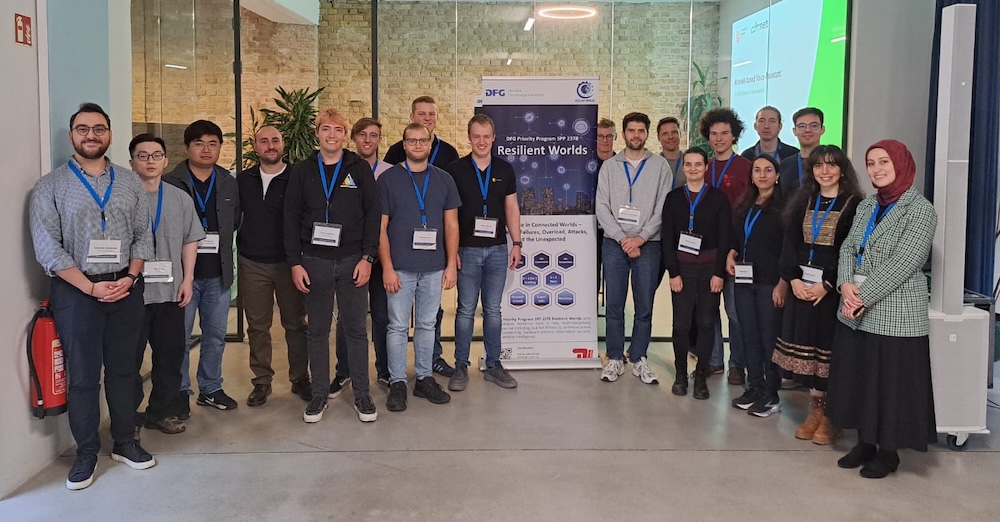
Our group member Dr. Doganalp Ergenc organized the KuVS R... - September 26, 2026
New IEEE Transactions on Mobile Computing article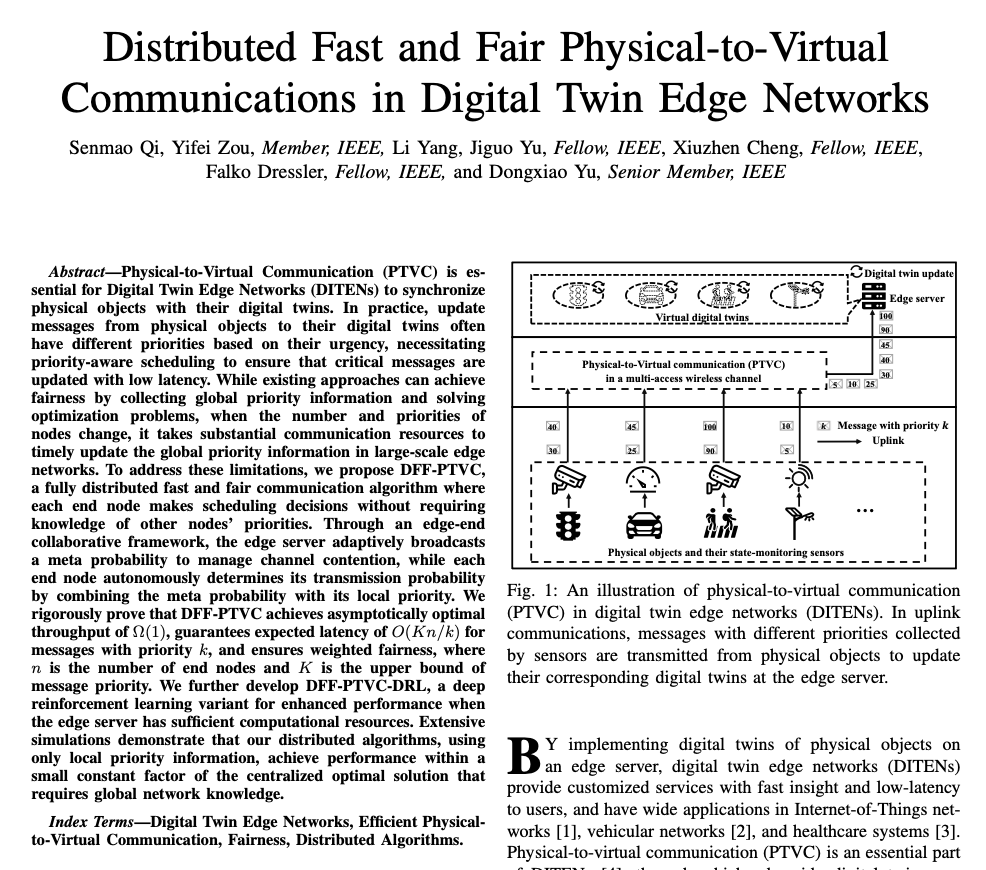
Our article Distributed Fast and Fair Physical-to-Virtual... - September 23, 2026
TKN Team at ACM NanoCom 2026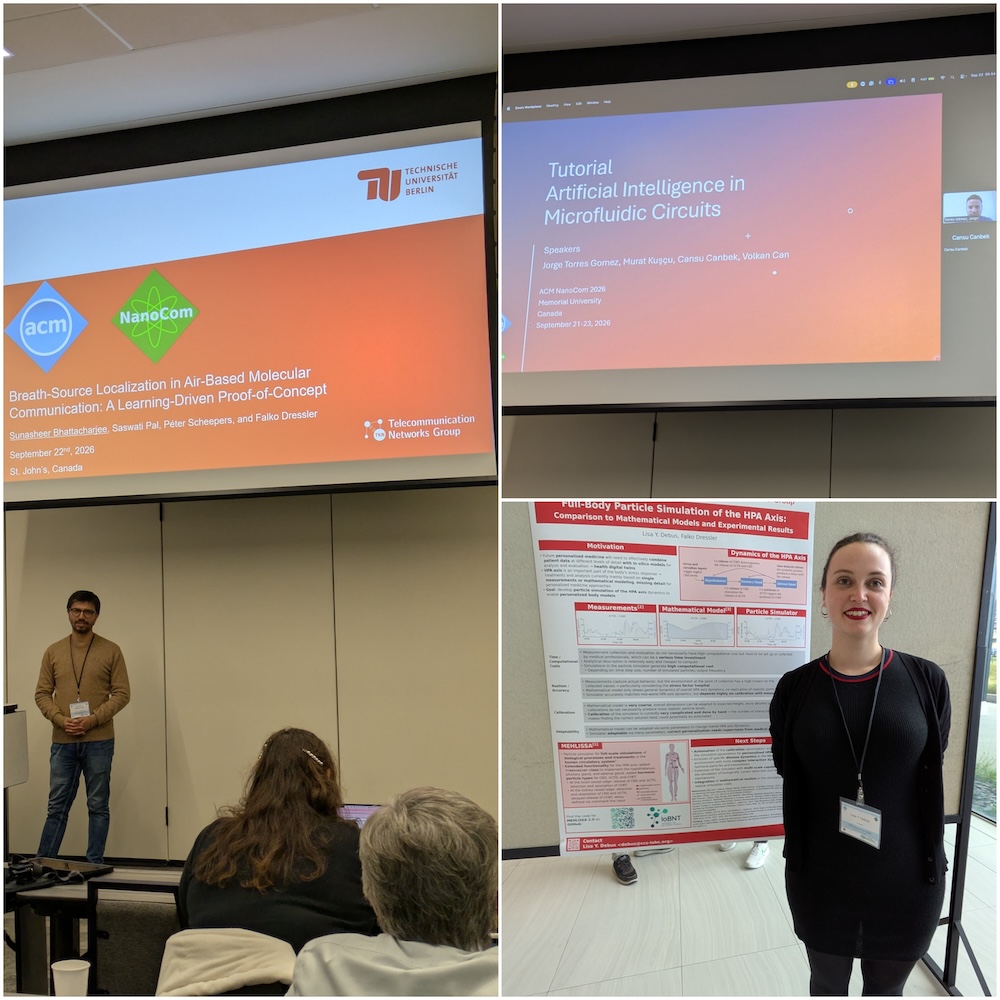
Our team presented their research at the 13th ACM Interna... - September 22, 2026
New IEEE Transactions on Networking article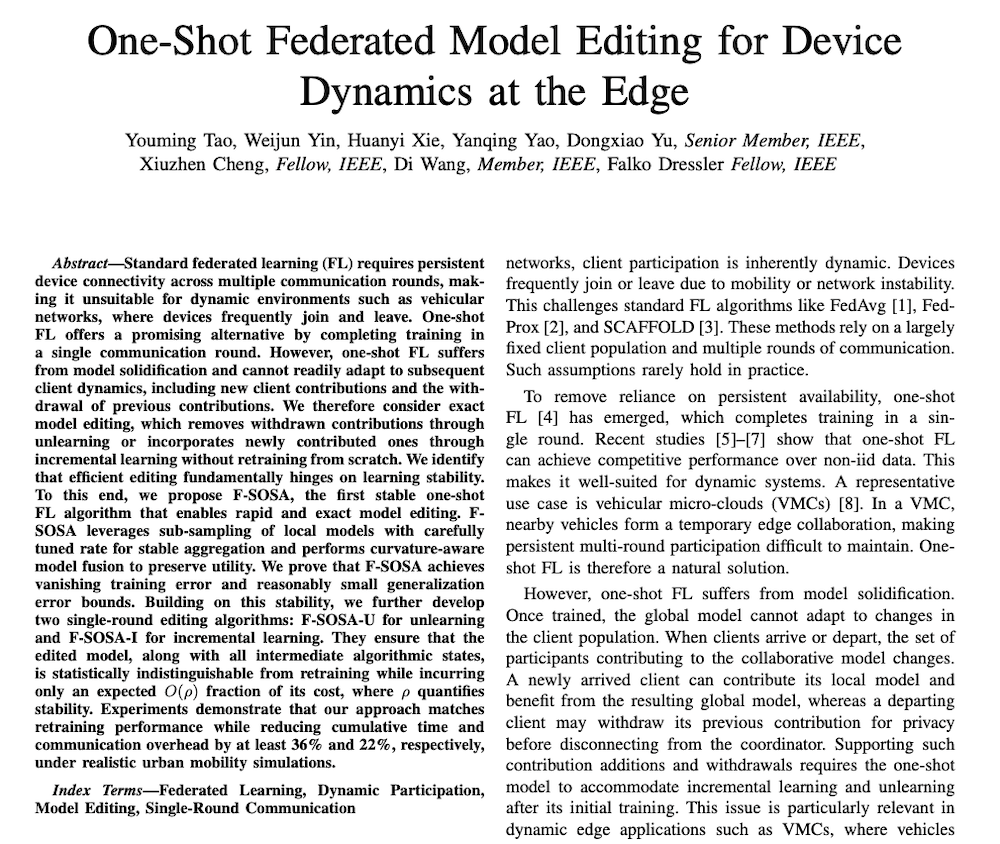
Our article One-Shot Federated Model Editing for Device D...