
AI Engineering of Nanonetworks
#41045, Summer 2026
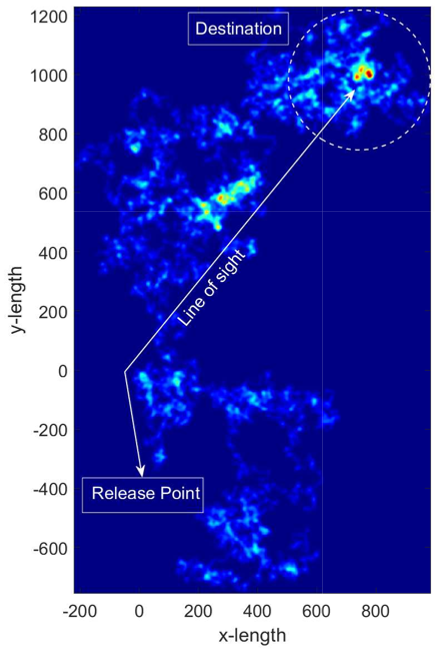 Welcome to the amazing world of nanonetworks, where communication principles, chemistry, and physics converge. This course will introduce you to novel approaches in the nanoscale domain. We target the latest research and applications for systems design in the molecular communication field. Are you ready to navigate non-conventional topics and learn new principles beyond RF communications? Welcome, this is the right place.
Contents
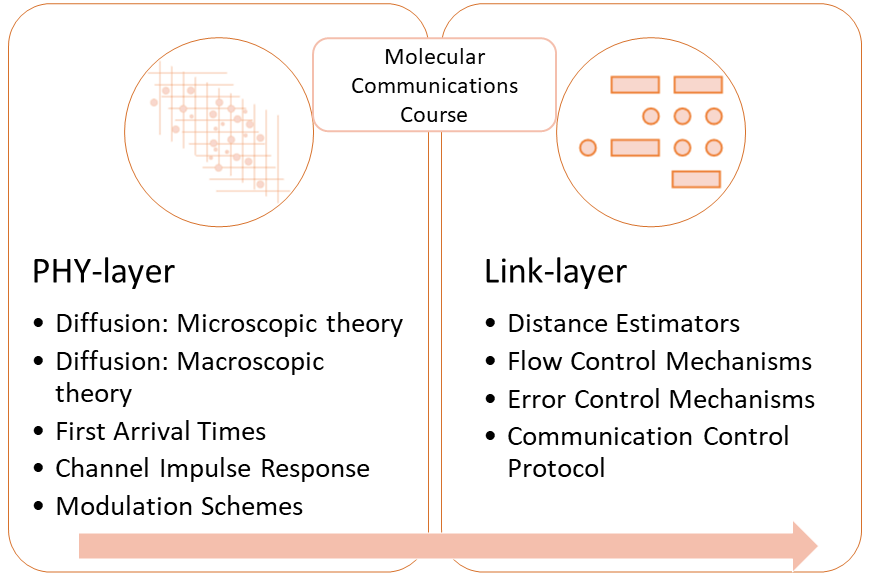 This course will cover communication techniques and technologies to conceive networks on the nanoscale. Instead of the standard use of electromagnetic waves, we will perform the emission and detection of molecules according to the paradigm of Molecular Communications. We will follow a network architecture approach from a computer network perspective, see the picture on the right. In the physical layer, we will introduce models for the communication channels through molecular means, as well as for emitters and receivers. In the link layer, we will address mechanisms for the information flow and error control mechanisms. In this course, we will not only study theoretical concepts but will conduct many hands-on activities in the Matlab simulator to model the physical and link layers.
Learning Outcome
After completing the course, participants will be able to characterize the molecular communication scenarios. You will be able to apply theoretical knowledge to develop molecular communication networks.
Additionally, you will be able to:
- Describe the constituting elements of nanonetworks in molecular communication (MC) channels.
- Apply theoretical knowledge to develop nanonetworks functionalities in the physical and link layers using molecules as information carriers.
- Examine deep neural network (NN) architectures as innovative solutions for nanonetworks in the MC domain.
- Develop deep NN modules to optimize communication links within MC simulators.
Finally, you will be able to develop molecular communication links with simulators.
General Information / Methods
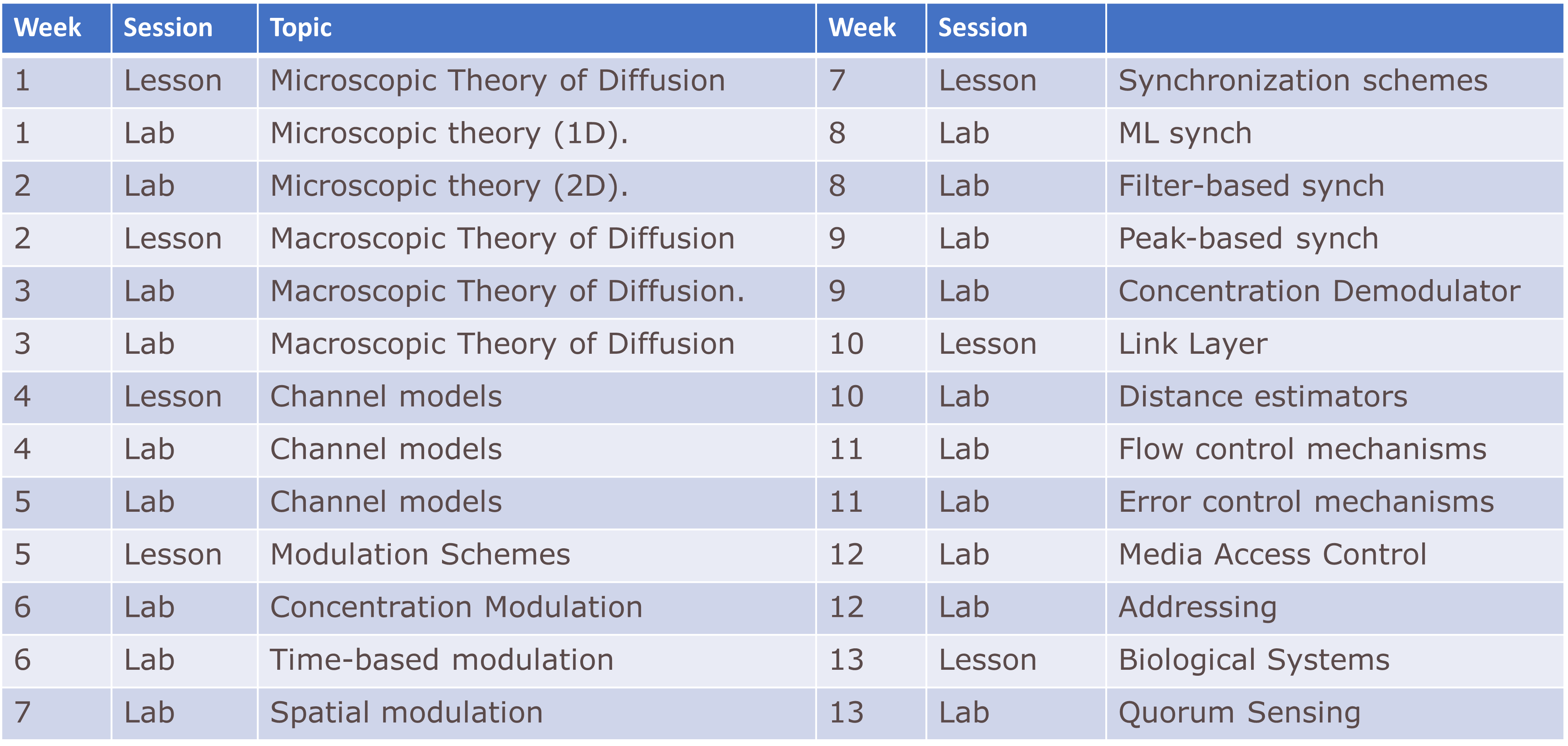 This master course will be held in English and all the course material is available in English.
This course consists of lectures and labs. In the lessons we will cover theoretical topics in the physical and link layers like diffusion, modulation schemes, synchronization, and media access control mechanisms. This course will develop communication techniques and innovative AI-based technologies for designing networks on the nanoscale. The course will introduce deep neural network (NN) architectures to cope with the challenging environments of molecular (MC) channels.
As theoretical components, the course will introduce the topics:
- Relevant aspects in the physical and link layers of MC-based nanonetworks, such as channel models, emitters and receivers architectures, synchronization, error correction codes, as well as flow and channel access control mechanisms.
- Foundational aspects of deep neural networks (NNs) and main architectures for nanonetworks, including feedforward NNs, recurrent neural networks (RNNs), bidirectional RNNs, autoencoders, and reinforcement learning.
As practical components of this course:
- Simulators for nanonetworks operation in molecular communication (MC) channels.
- Integration of NN modules into nanonetworks operation within the physical and link layers.
For more information, slides, and required submissions, please see our ISIS page.
Instructors
- Lecture: Saswati Pal
- Labs: Saswati Pal and Lisa Yvonne Debus
Featured Paper
- Hierarchical Federated Learning in Device-to-Device Networks with Learning-Topology Co-Optimization
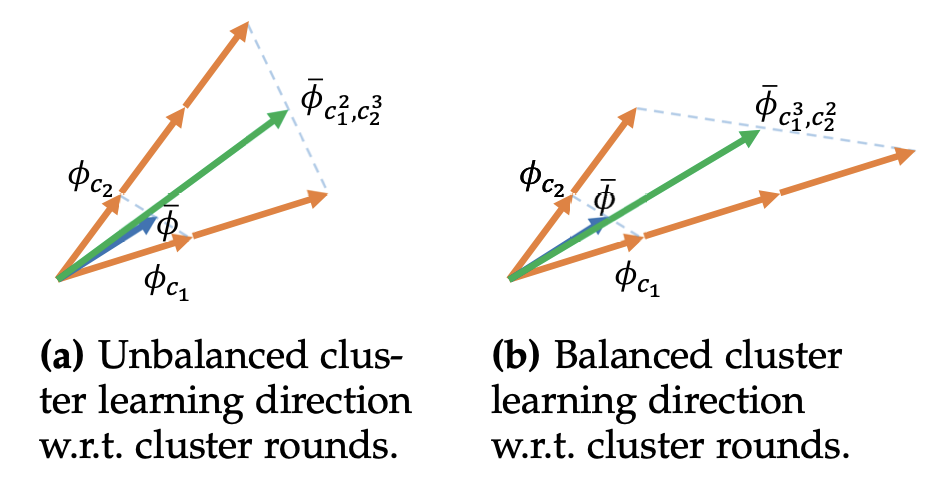
Federated learning (FL) enables collaborative model training across distributed devices while preserving privacy. However, growing heterogeneity in device resources an...
News
- April 01, 2026
Mateusz Zakrzewski winning GI/ITG KuVS Best Bachelor Thesis Award
We congratulate Mateusz Zakrzewski for winning the Best B... - March 25, 2026
CCS on Tour 2026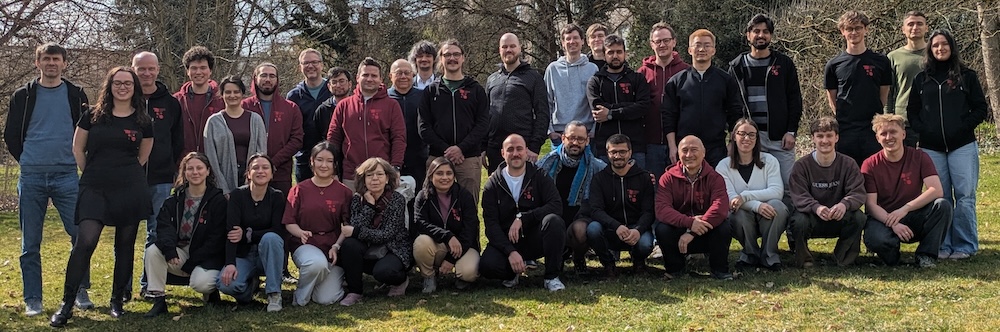
The Telecommunication Networks Group (TKN) held its annua... - March 12, 2026
Habilitation degree in Electrical Engineering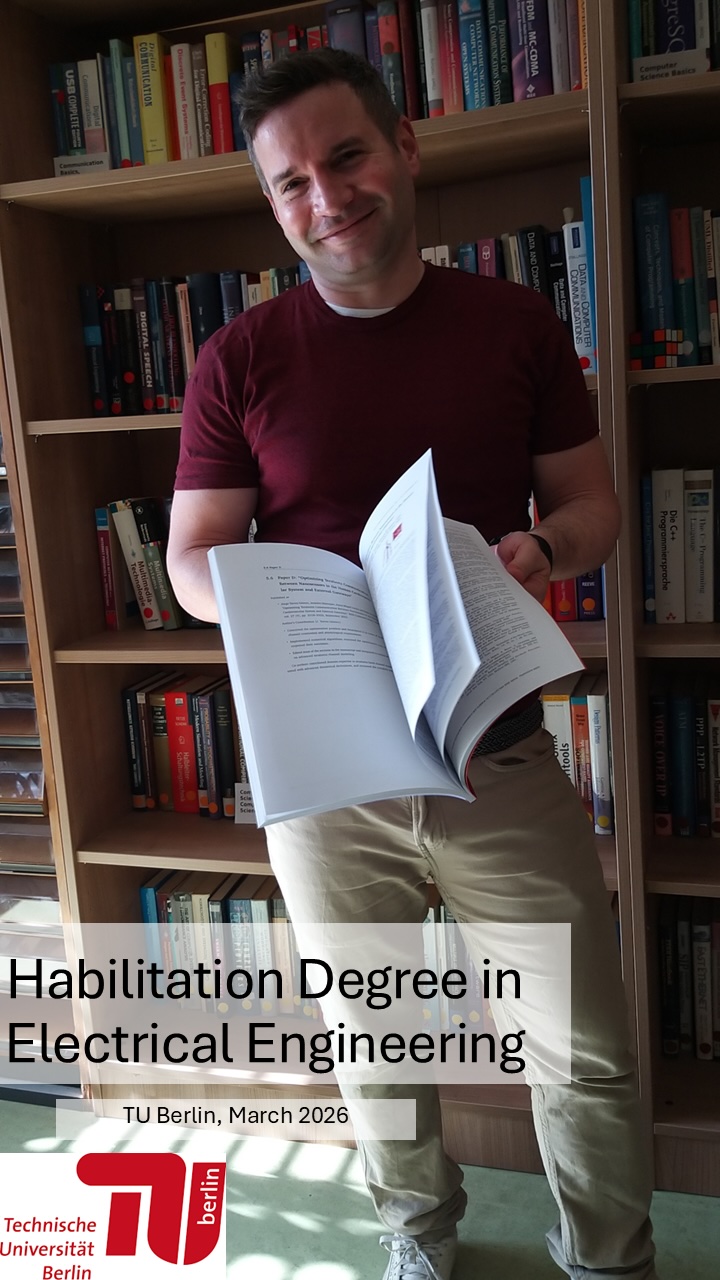
Our team member Jorge Torres Gómez has received the certi... - March 12, 2026
TKN at Unesco House (IASEAI'26)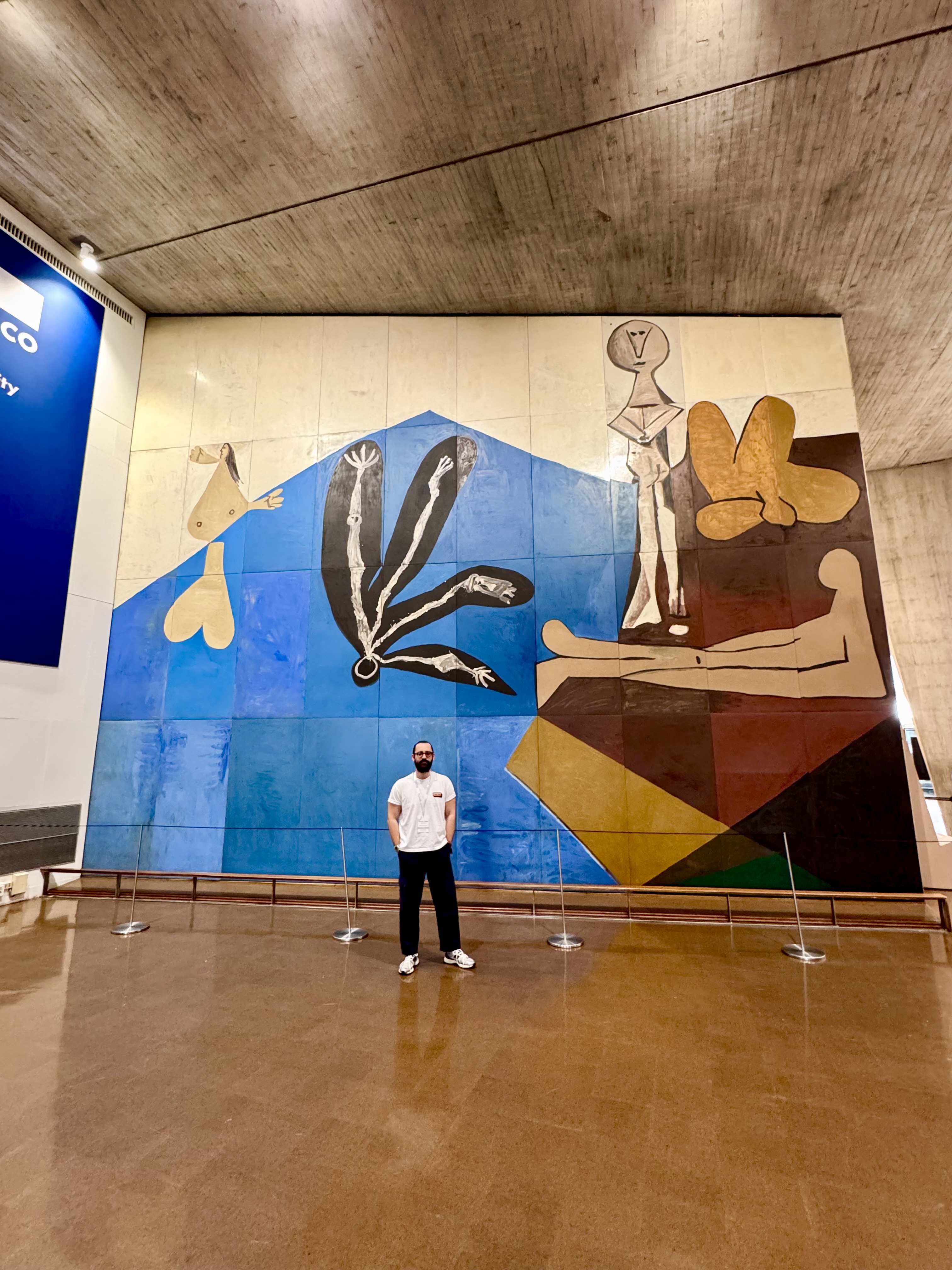
Our team member Osman Tugay Basaran participated in the A... - March 07, 2026
New IEEE Transactions on Mobile Computing article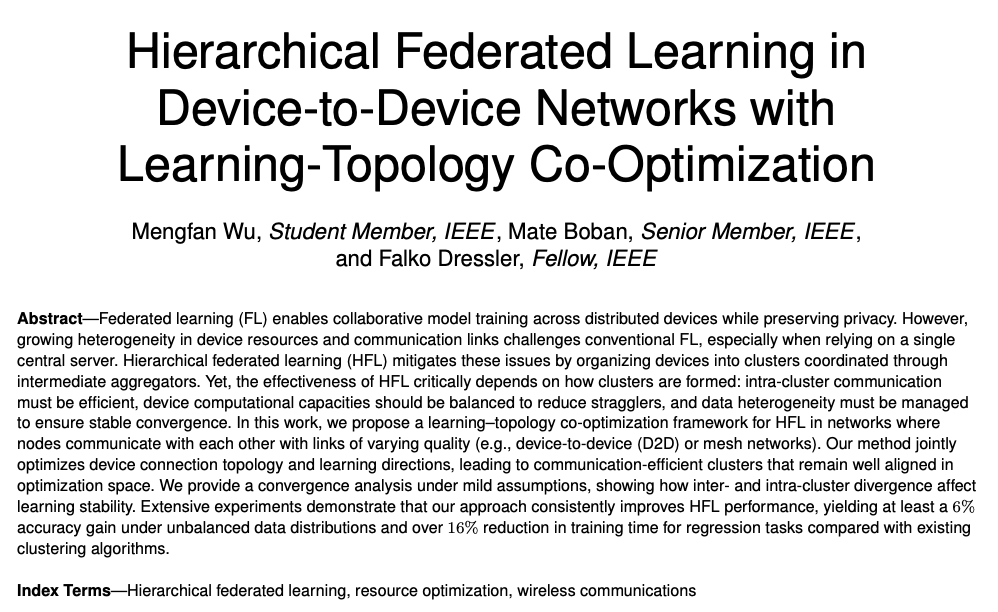
Our article Hierarchical Federated Learning in Device-to-...