
SPP 2526 Holistic Design of Molecular Communication Systems

HemoCom: Hemodynamics for Molecular Communication in the Flow of Life
Institutions
- TU Berlin
- Deutsches Herzzentrum der Charité
- FH Dortmund
Team @ TKN
Funding
- DFG (Deutsche Forschungsgemeinschaft)
Project Time
- 09/2026 - 12/2029
Description
Future bioactive implants and personalized medical systems require continuous, real-time access to biochemical information within the human body. Molecular communication (MC), which conveys information via transported particles, offers a promising pathway toward such biochemically closed-loop medical systems. However, current MC models and testbeds largely rely on simplified assumptions such as Newtonian fluids, steady flow, and idealized channel geometries, which severely limit their applicability to in vivo scenarios. In particular, the complex rheology of blood, pulsatile flow conditions, vessel compliance, and network effects of the human cardiovascular system remain insufficiently understood and modeled in MC research.
The proposed project HemoCom aims to establish an experimentally validated foundation for synthetic molecular communication in the human cardiovascular system with blood as the transport medium. Combining expertise from telecommunications engineering, biofluid mechanics, and medical electronics, the project develops analytical models, experimental methodologies, and multi-scale simulation tools for superparamagnetic iron oxide nanoparticle (SPION)-based MC under physiologically realistic conditions. Key objectives include (i) the characterization of blood-based MC channels accounting for non-Newtonian rheology, pulsatility, and vascular bifurcations, (ii) the development of a novel tomographic receiver enabling spatio-temporal detection of molecular signals in flowing blood, and (iii) the integration of experimental and numerical results into a multi-scale simulation framework and health digital twin of molecular communication in the human circulatory system.
The applicability of the developed concepts is demonstrated in a clinically relevant scenario by investigating MC-based feedback mechanisms for adaptive ventricular assist devices. Beyond its direct scientific contributions, the project provides reference models, open datasets, and validated methodologies for the DFG Priority Programme SPP 2526 HoD-MoCS, thereby enabling reproducible, physiology-aware MC research and supporting future in-body communication and control concepts in medicine.
Selected Publications
[an error occurred while processing this directive]Featured Paper
- One-Shot Federated Model Editing for Device Dynamics at the Edge
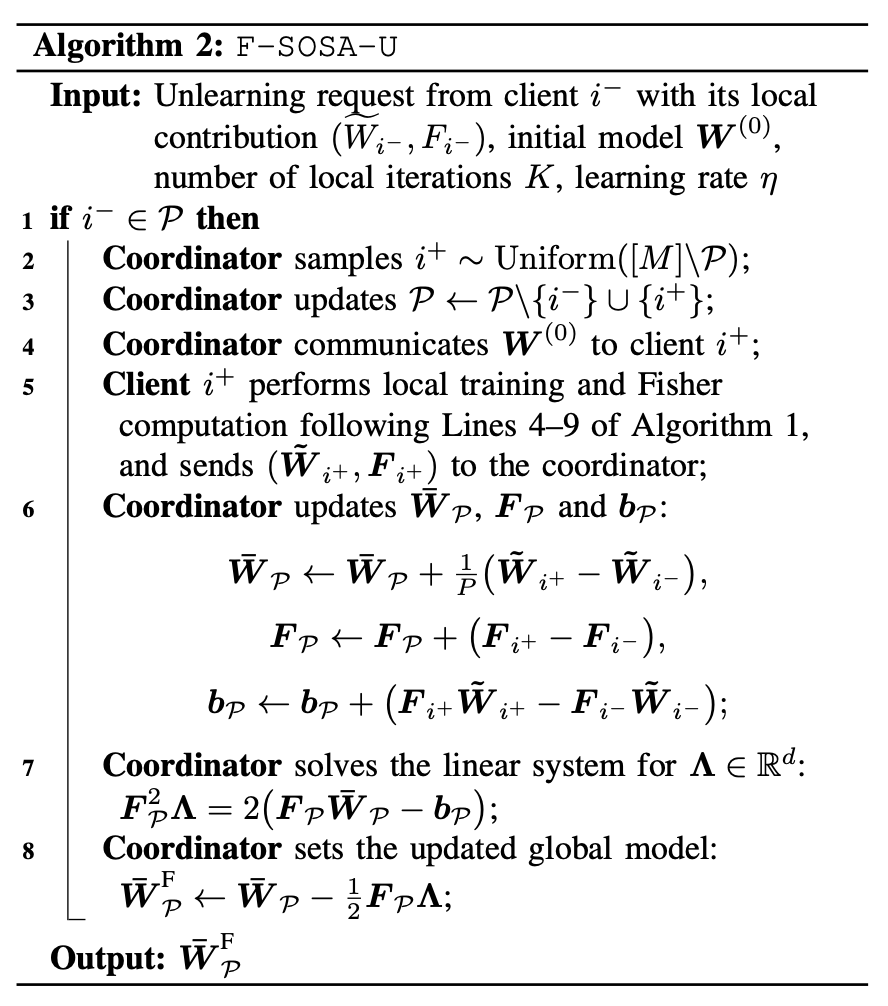
Standard federated learning (FL) requires persistent device connectivity across multiple communication rounds, making it unsuitable for dynamic environments such as ve...
News
- October 08, 2026
New IEEE Transactions on Mobile Computing article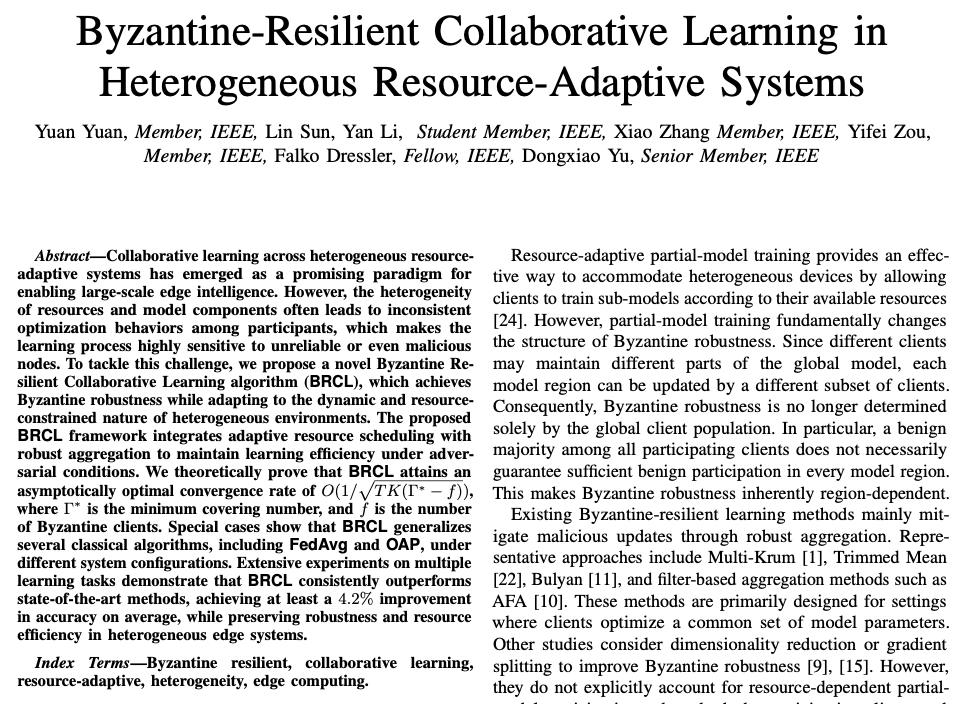
Our article Byzantine-Resilient Collaborative Learning in... - October 02, 2026
KuVS Research School on Network and System Resilience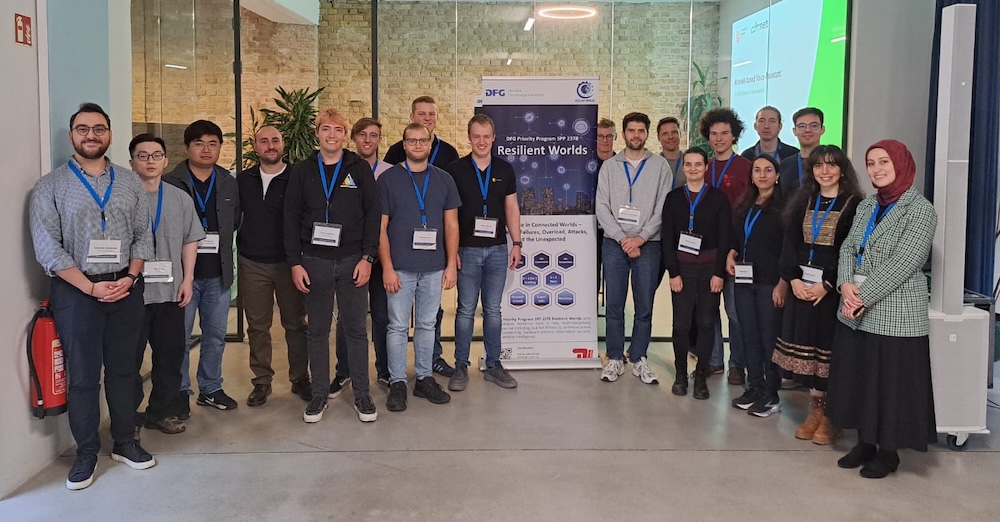
Our group member Dr. Doganalp Ergenc organized the KuVS R... - September 26, 2026
New IEEE Transactions on Mobile Computing article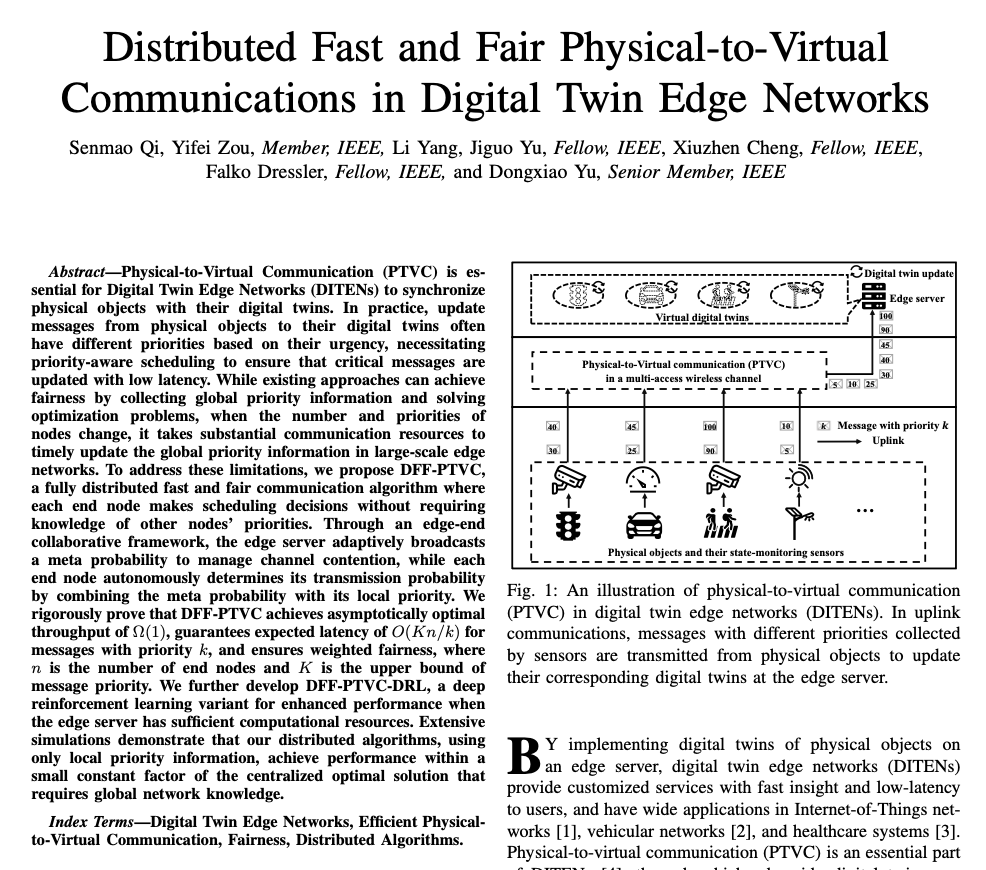
Our article Distributed Fast and Fair Physical-to-Virtual... - September 23, 2026
TKN Team at ACM NanoCom 2026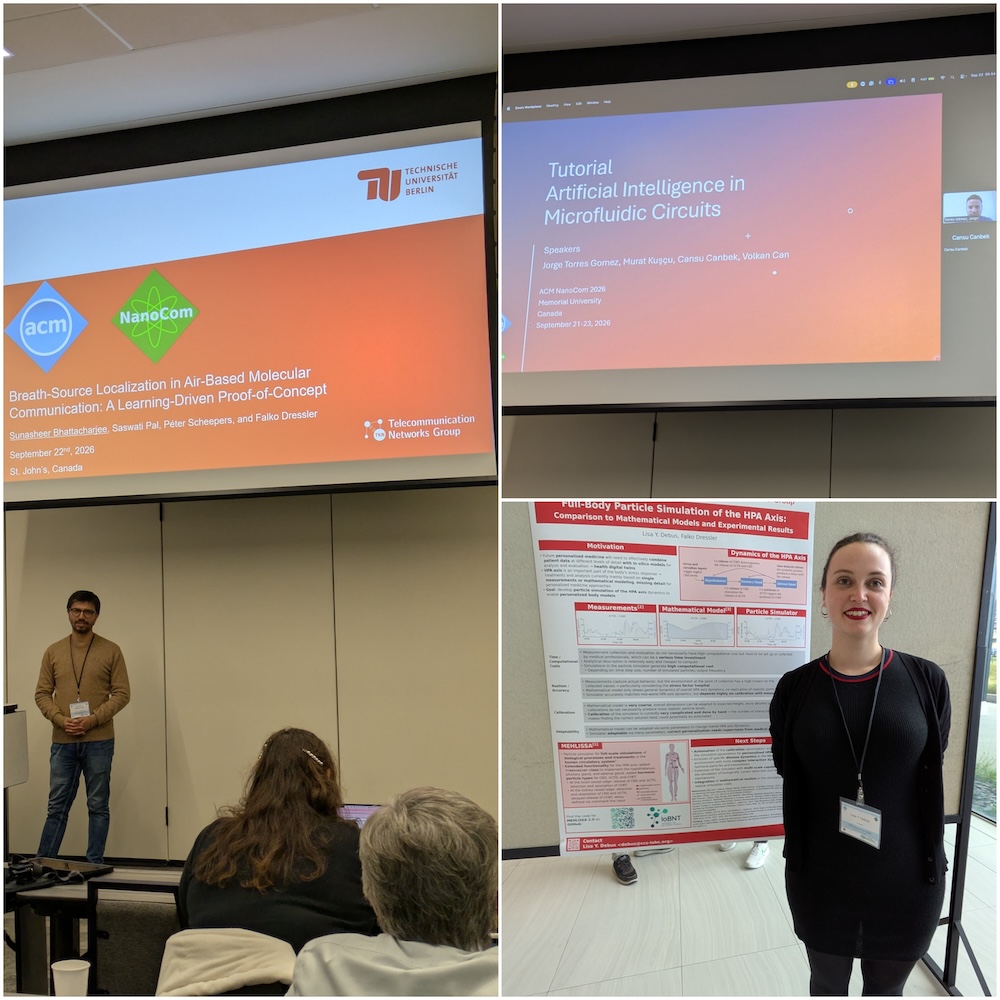
Our team presented their research at the 13th ACM Interna... - September 22, 2026
New IEEE Transactions on Networking article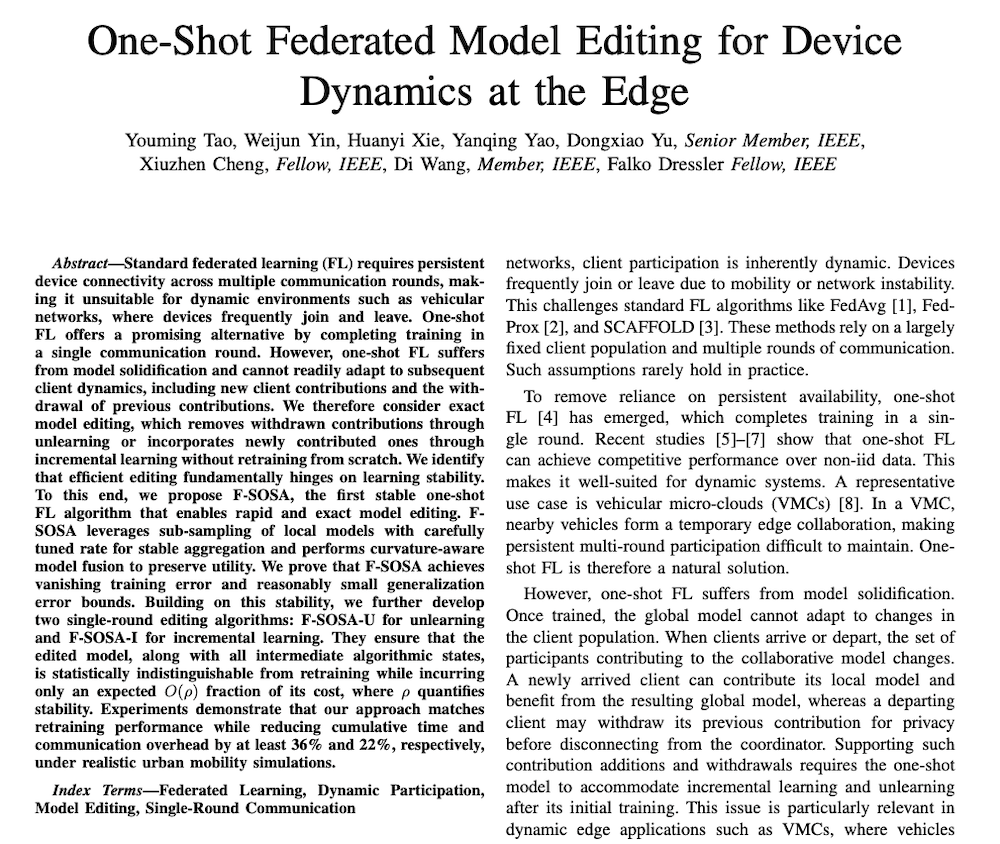
Our article One-Shot Federated Model Editing for Device D...